Feb
28
26
When couples search for documentary vs traditional wedding photography, they’re usually trying to understand which approach fits their wedding day best. The difference goes beyond style, it shapes the entire experience.
When you start looking for a wedding photographer, you’ll encounter a vocabulary that isn’t always clearly explained. Documentary. Traditional. Editorial. Reportage. Fine art. Lifestyle.
The words stack up quickly and most of them mean different things to different photographers.
This article focuses on the two approaches that are genuinely distinct in how they work and what they produce. Understanding the difference will help you make a better decision not just about style, but about what kind of experience you want on the day.
Traditional wedding photography is built around direction. The photographer takes an active role in shaping how the day looks on camera. They pose the couple, arrange the groups, and create specific setups for specific images.
The result is often polished and consistent. You know roughly what you’ll get. The images are clean, well-lit, formally composed.
This approach works well for couples who want a clear visual record of the day in a specific aesthetic. It also tends to work well in situations where the couple is uncomfortable being photographed and benefits from clear guidance.
The tradeoff is that it requires more of the couple’s time and energy on the day. There’s a version of traditional photography where the photographer takes over the schedule for two hours and the couple moves from setup to setup. For some people that’s fine. For others it becomes exhausting.
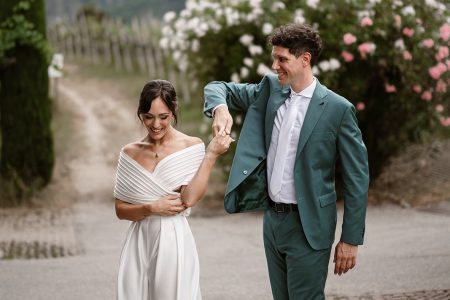
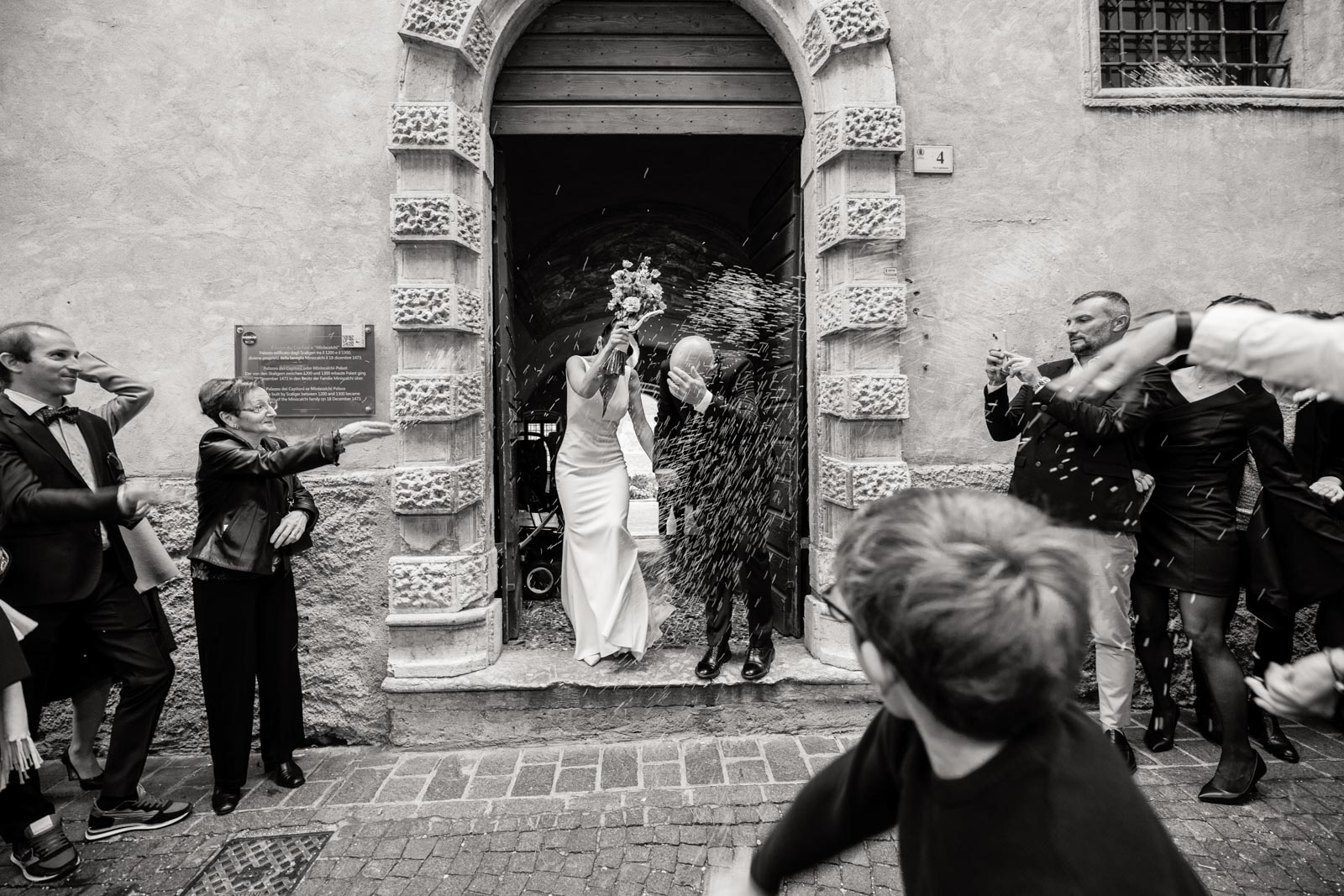
Documentary wedding photography also called reportage or photojournalistic is built around observation. The photographer is present and attentive, but they don’t direct. They watch, anticipate, and respond.
The goal is to capture what actually happens rather than to create what should happen.
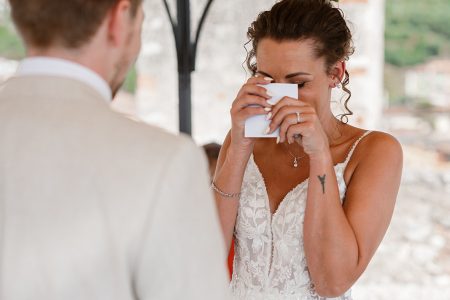
The results are less predictable and more varied. You might get a frame that stops you completely a look between two people that lasted half a second, a moment you barely remember because you were living it. You’ll also get images that are imperfect in ways that feel right.
This approach requires a different kind of skill. Anticipating moments before they happen. Reading the emotional temperature of a room.
Being close enough to capture without being present enough to change. It also requires the couple to trust the process to let go of the idea that every frame needs to be controlled.
It’s tempting to frame this as a choice between old-fashioned and modern. It isn’t really that.
Some couples genuinely want beautiful, directed portraits as their primary record of the day. There’s nothing wrong with that. Traditional photography done well is a real craft.
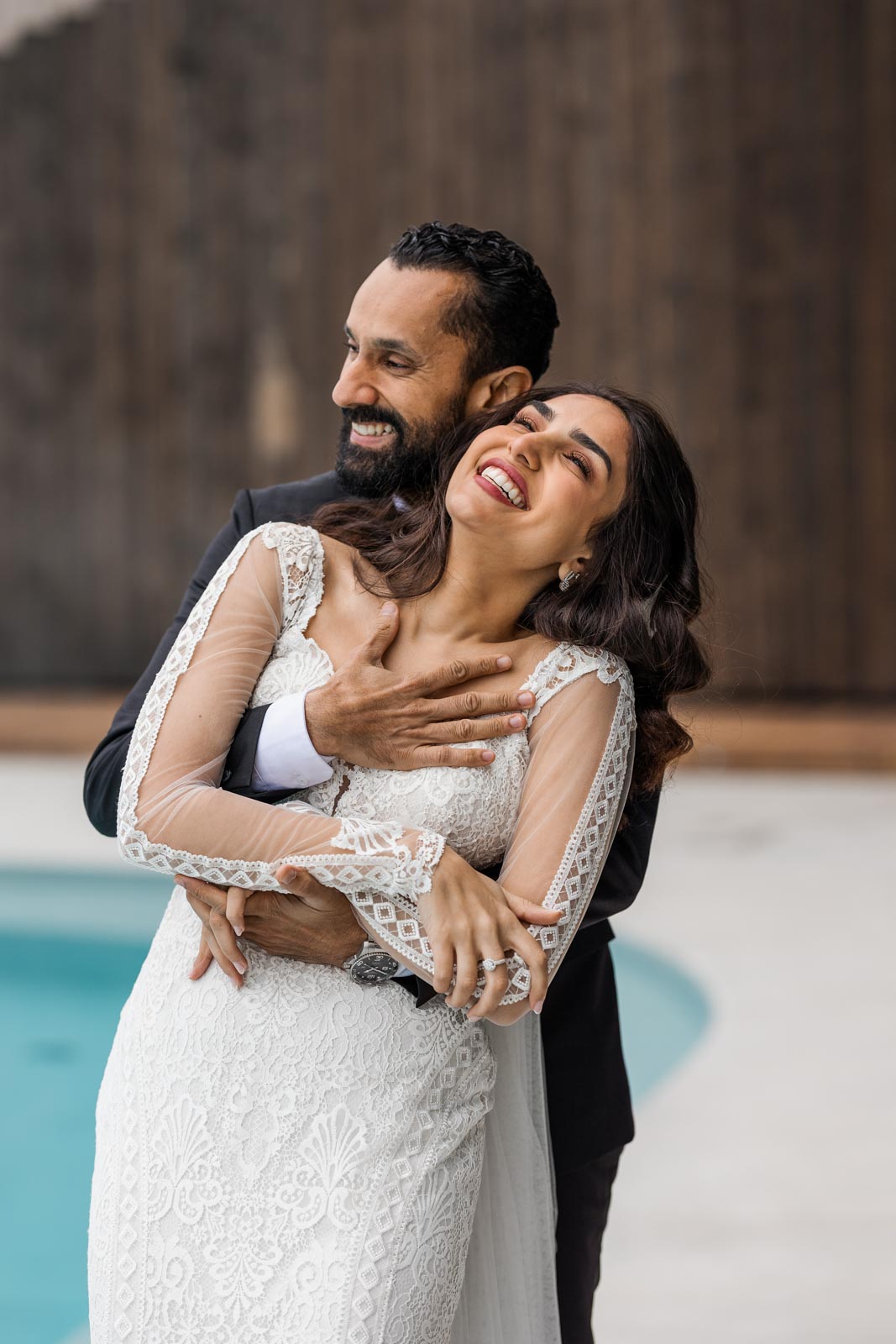
Other couples care more about the feeling of the day than the look of the photographs. They want images that bring them back to a specific moment not images that show them at their most composed.
The question worth sitting with is this: when you imagine looking at your photos in twenty years, what do you want to feel? Admiration, or recognition?
Both are valid answers. They point in different directions.
Understanding the difference between documentary vs traditional wedding photography helps couples decide not only how they want their wedding to look, but how they want it to feel.
In practice, very few weddings are entirely one approach or the other.
Even the most documentary-focused photographer will spend some time creating portraits because couples want them, because families expect group photos, because certain moments deserve a more considered frame.
And even the most traditional photographer will have stretches of the day where they’re simply watching and reacting.
What varies is the weight given to each. A photographer whose instinct is documentary will use direction as a tool when needed, but it won’t be how they spend most of their day. A photographer whose instinct is traditional will notice genuine moments, but they’re more likely to move past them in favour of the next setup.
When you’re talking to photographers, the question isn’t which category they fall into. It’s where they spend most of their time, and whether that matches what you want.
You value authenticity over polish. You want to feel the day in the images, not just see it. You don’t want to spend two hours doing portraits. You’re uncomfortable being directed. You’re drawn to imperfect frames that feel alive. You want your children to look at the photos one day and recognise their parents.
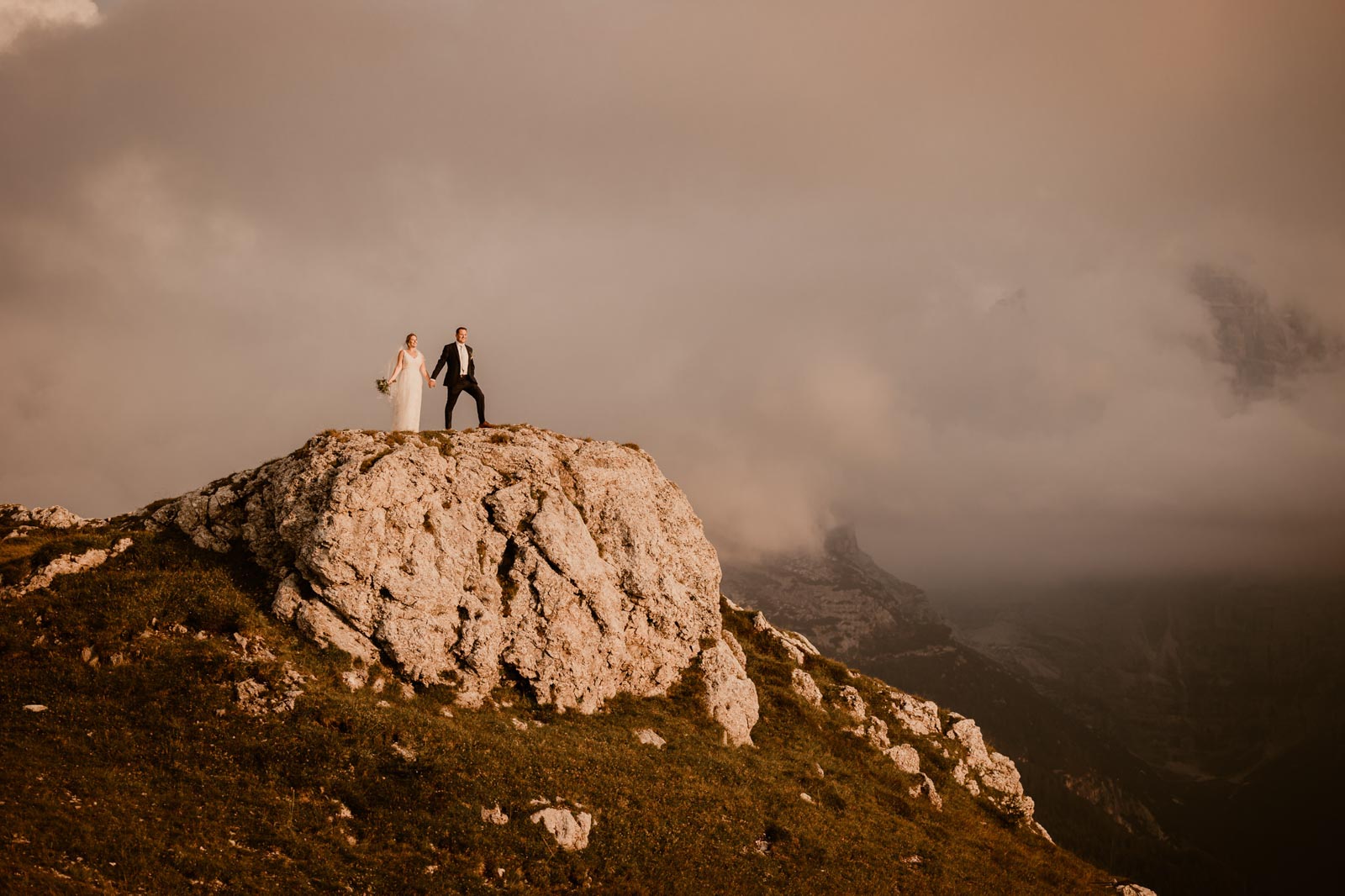
You want a clear, polished visual record. You care about formal family portraits. You want the images to look beautiful and composed above all else. You appreciate structure and direction. You have specific shots in mind that matter to you and you want to be sure you get them.
The best photographs from any wedding regardless of approach come from a photographer whose instincts you trust.
Not the photographer with the biggest following. Not the one with the most impressive venue shots. The one whose work, when you look at it, makes you feel something.
That’s the only filter that matters.
Choosing between documentary vs traditional wedding photography ultimately comes down to what you value most in your memories.
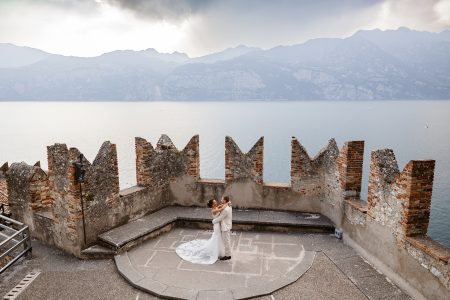
If you’re planning a destination wedding in Italy whether in Lake Garda, Tuscany or the Amalfi Coast understanding the difference between documentary and traditional wedding photography will help you choose a photographer whose approach truly reflects how you want to remember your day.
If you’re planning a wedding in Italy and feel drawn to a documentary approach, I’d love to hear about your plans. You can check availability and get in touch here.